What does good regeneration look like? Lessons from St Paul’s Square, Liverpool
16.04.26 3 min read
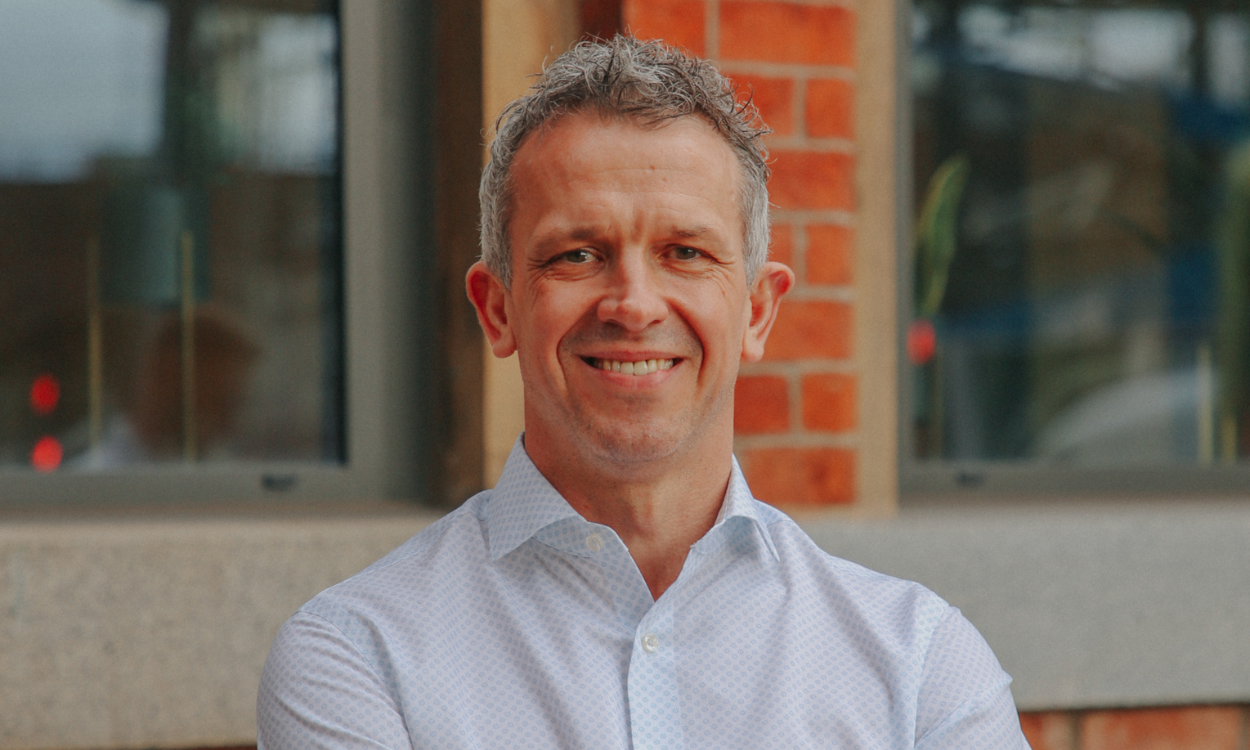
Across the UK, regeneration is often judged too quickly. Phil Mayall, Managing Director at Muse and Board Member at ECF, reflects on St Paul’s Square in Liverpool more than a decade on, and on the value of a long-term approach.
Good regeneration is often judged too early.
Across towns and cities in the UK, there is growing pressure to show progress quickly. Hoardings come down, buildings complete and attention moves on.
In reality, places continue to evolve long after the final phase is delivered. How people use them, how businesses grow and how confidence builds help shape what a place eventually becomes.
Taking that view has shaped ECF’s approach for more than two decades.
As a placemaking partnership between Homes England, L&G and Muse, ECF was created to work in places where progress is rarely straightforward. These are towns and cities where confidence has taken time to rebuild and where long-term commitment is needed to help places grow again.
Building confidence in Liverpool
St Paul’s Square in Liverpool is a clear example of that approach in practice. Now more than 10 years on from the completion of the final phase, it is often described as a finished development. In reality, it continues to evolve as part of the city’s wider commercial and civic life.
When the early phases of St Paul’s Square were brought forward, Liverpool was at an important moment in its renewal. There was clear ambition for the city centre, but a limited supply of modern, high-quality workspace and uncertainty about demand beyond the traditional commercial core.
The decision to invest was therefore not driven by a buoyant market. It was a conscious step to help build confidence and support the growth of the city centre in a new direction.
As it matured, St Paul’s Square became a recognised part of Liverpool’s city centre business community.
That continued evolution is taking place against a backdrop of renewed ambition across the Liverpool City Region.
The recent launch of a £2bn Investment Fund reflects a clear commitment to accelerating growth and unlocking development. It signals growing confidence in the region’s economy and recognises the role of long-term investment in bringing forward complex sites.
That change mattered beyond the square itself. It showed that modern, high-quality workspace could succeed outside the traditional commercial core and encouraged others to reconsider where investment might work.
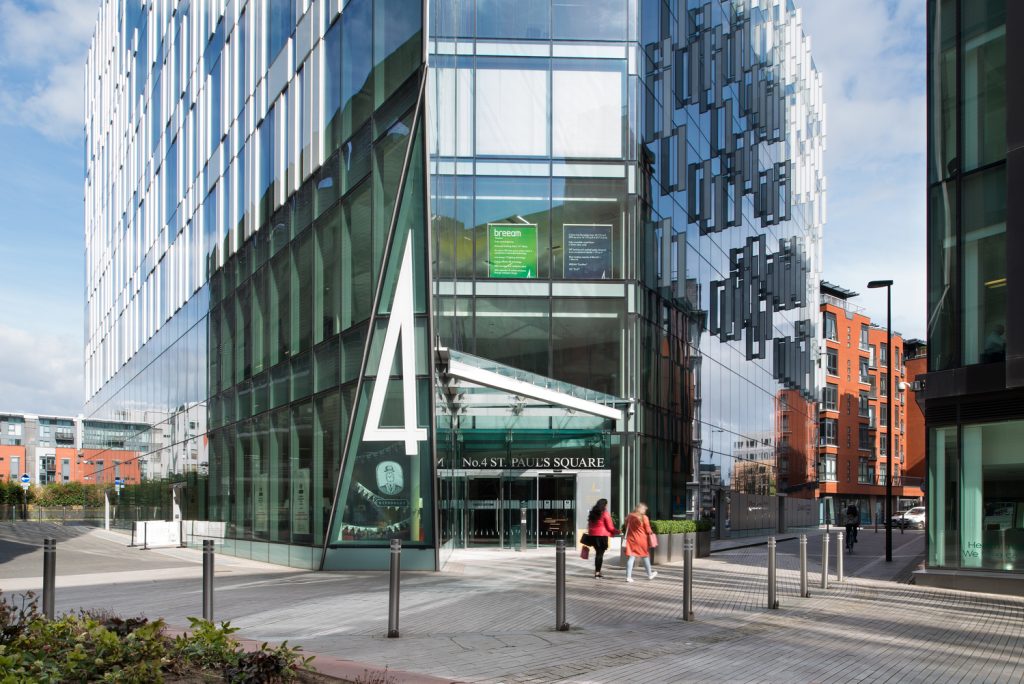
St Pauls Square, Liverpool
Creating a place to live and work
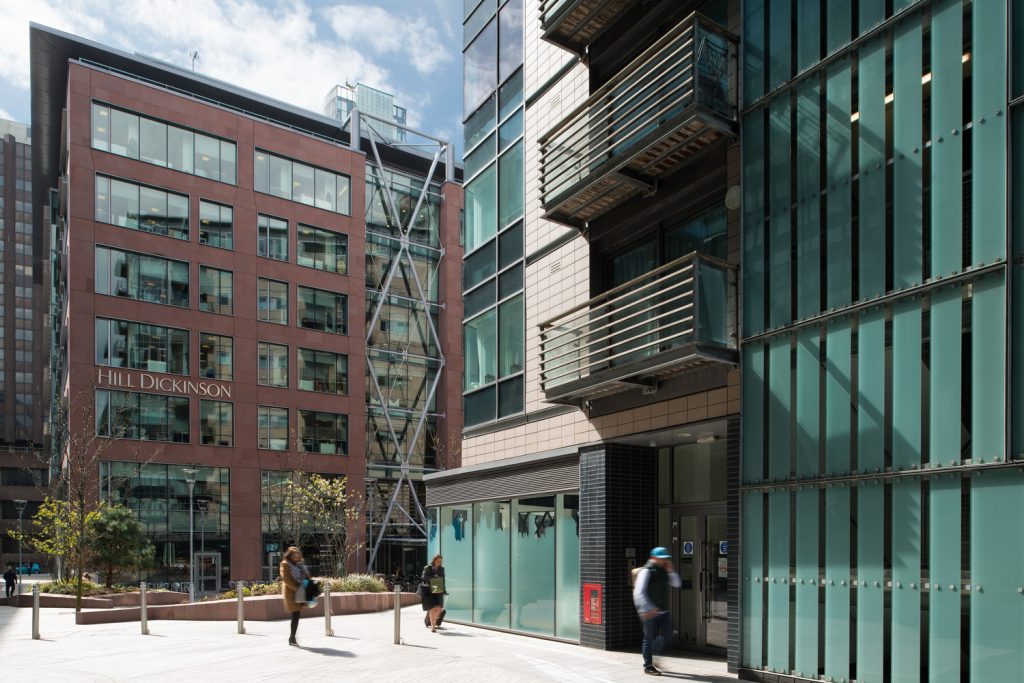
Crucially, St Paul’s Square was not designed solely as a commercial destination. From an early phase, it also introduced a residential presence in the city centre, including a 10-storey apartment building providing 50 homes overlooking the square.
Completed in the mid-2000s, this helped demonstrate that people were prepared to choose to live in this part of the city centre. In turn, this supported activity beyond office hours and reinforced the square’s role as a place to stay, not simply somewhere people passed through during the working day.
Measuring impact over time
An independent evaluation carried out in the years following completion provides a snapshot of its early impact.
At that point, the public investment used to unlock St Paul’s Square was found to have supported close to 1,000 additional jobs and around £45 million in net additional economic output each year. Importantly, most of this activity was genuinely additional to Liverpool’s economy, rather than displaced from elsewhere.
While these findings reflect a specific moment in time, they show how long-term investment can help build confidence and encourage people and businesses to use a place in new ways.
How places are used matters
Economic impact, however, was never the sole aim. Places succeed when people choose to use them as part of everyday life – going to work, spending time in public space or choosing to live there.
At St Paul’s Square, the relationship between buildings, homes and public space was considered from the outset. Workspaces were delivered alongside spaces people could move through and spend time in, reflecting an understanding that places gain character through everyday use rather than at the point of completion.
A place that continues to evolve
Nerys Parry, Partner – Lead for Transport & Logistics in the Corporate & Sector Risk Practice at Keoghs, has worked in St Paul’s Square for more than a decade and has seen the area change first-hand.
Keoghs is a leading legal and claims solutions provider, working with insurers, businesses and the public sector to manage and resolve complex insurance claims.
Nerys said: “I’ve worked in St Paul’s Square for over 12 years and have seen the area grow and change over that time. I’ve also seen a number of businesses come and go, although thankfully most survived the challenges of COVID, even if hybrid working has changed how people use the office.”
“Whether it’s market stalls, street food vans or outdoor sporting events where people can sit in the sun with deckchairs, it creates a great atmosphere and draws people in to spend time together.”
Over time, St Paul’s Square has become part of Liverpool’s established city centre activity, reflecting the growing presence of businesses, employees and residents alike.
That ongoing change is a reminder that regeneration does not stop when construction finishes. Places need continued care and attention if they are to remain useful, relevant and well-used.
Lessons for the future
More than a decade on, St Paul’s Square reinforces lessons that will feel familiar across many towns and cities. Good regeneration often involves backing places before conditions feel comfortable, while recognising that progress is rarely linear and confidence takes time to build.
Risk is part of that process. It cannot be removed entirely, but it can be managed through strong partnerships between the public and private sectors, alongside a shared commitment to quality and long-term thinking.
As towns and cities across the country continue to invest in their centres, these experiences matter – not as a blueprint, but as a reminder that regeneration is rarely about quick wins or simple answers.
As ECF approaches its 25th year, St Paul’s Square stands as one example of how long-term commitment and partnership can translate ambition into lasting outcomes – and why that approach remains important as cities like Liverpool enter their next phase of growth.