Victorian craftsmanship, 21st century vision: Earlestown Town Hall restored
28.04.26 3 min read
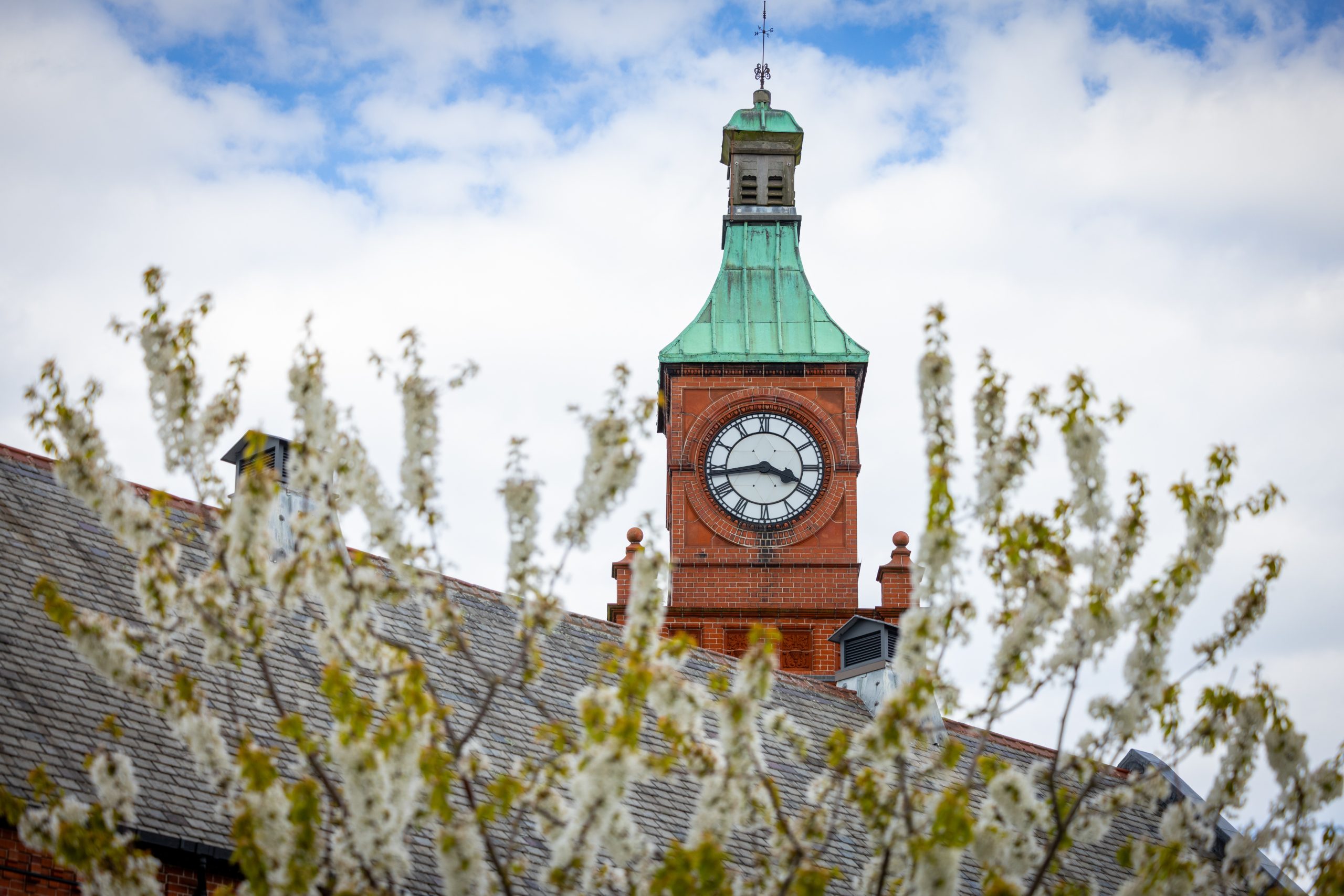
Through our partnership, St Helens Borough Council and ECF is delivering one of the North West’s most complex and rewarding heritage restoration projects, bringing Earlestown Town Hall back to life for the communities of Newton-le-Willows.
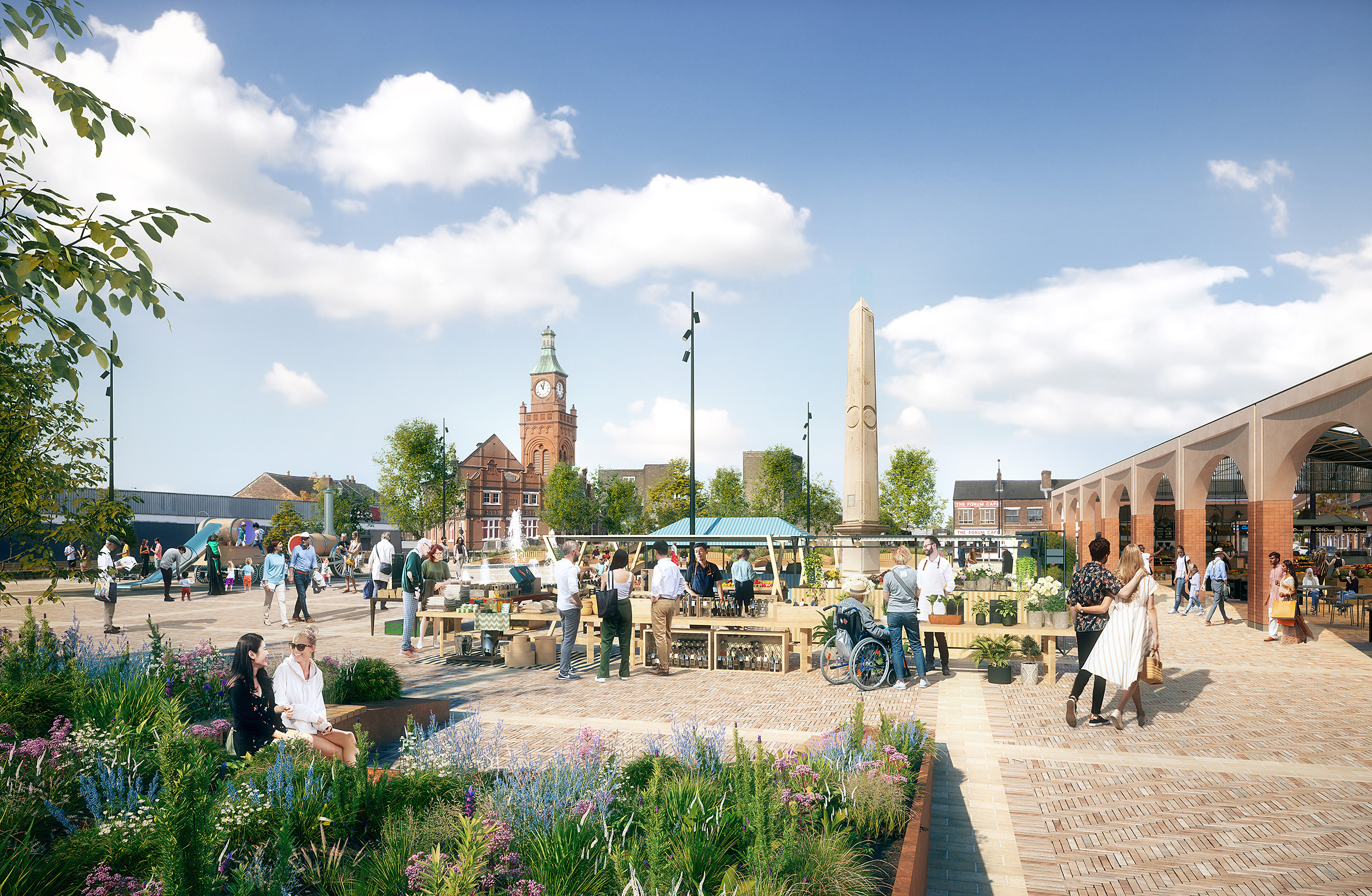
When complete, the restored Town Hall will offer a mixed-use performance and events space, flexible co-working and community facilities, and a new courtyard garden with café – giving the Grade II listed building a new lease of life as a focal point for Earlestown town centre.
A restoration unlike any other
Delivering the project has meant bringing together trades and techniques rarely called upon in modern construction. Our main contractor HH Smith & Sons is working to exacting heritage protection requirements, with every element of the restoration designed to honour the building’s Victorian character while equipping it for the century ahead.
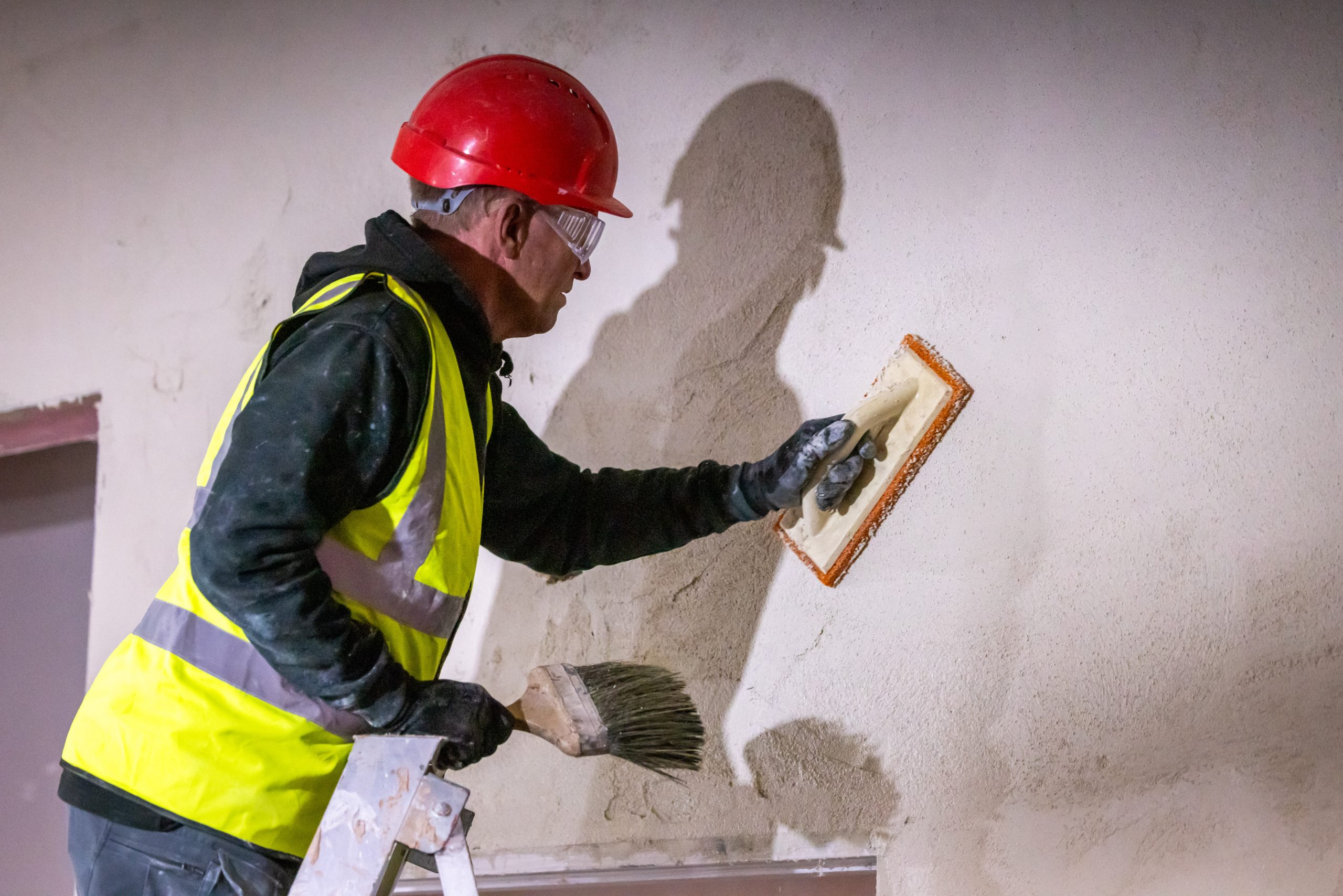
One of the most technically demanding elements has been the plastering of ceilings and walls. The team is working with lime plaster – a material seldom used in modern builds – and must precisely match the chemical profile of the building’s existing plaster before reproducing it at scale. Any inconsistency risks old and new plaster expanding and contracting at different rates, with potentially serious structural consequences. While lime plaster may feel like a relic of the past, it also addresses a very contemporary challenge: through a natural process known as carbonation, it absorbs CO2 from the atmosphere, locking it into the fabric of the building.
On the exterior, perfect replicas of the original wooden penthouse louvres – the roof turrets used for ventilation – were crafted entirely by hand before being lifted into position by crane. High above, the bells of Earlestown’s iconic five-stage clock tower have been overhauled by specialist horologists from The Cumbria Clock Company, the same team behind the celebrated restoration of Big Ben’s bells and clockwork.
As Mike Smith, Project Manager at HH Smith & Sons, put it:
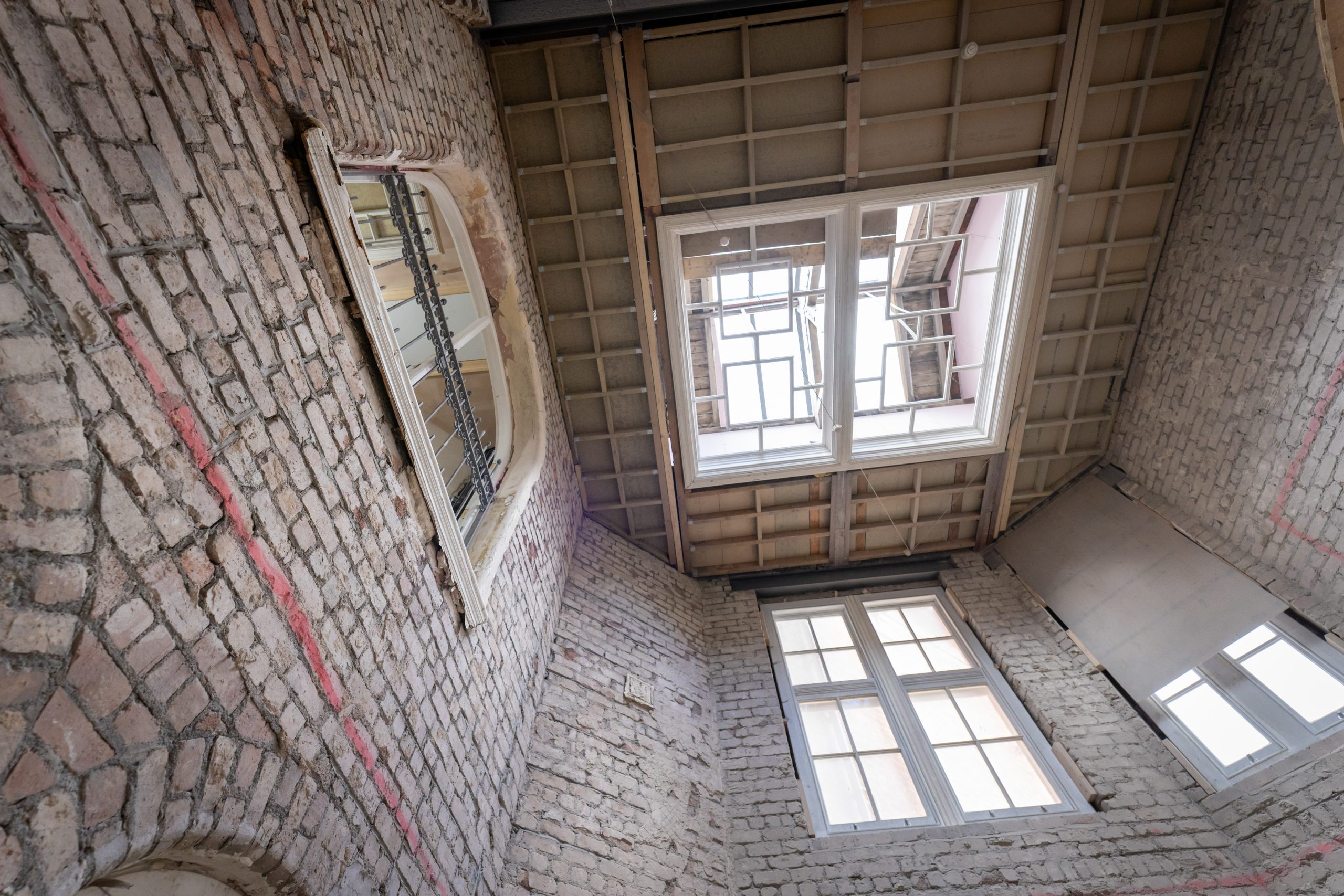
“Every day on this site is a lesson in precision. Whether we are chemically matching Victorian plaster or using 3D scans to map the building’s exact structure, we are working to ensure this hall stands proud for another century.”
Built for the future, rooted in the past
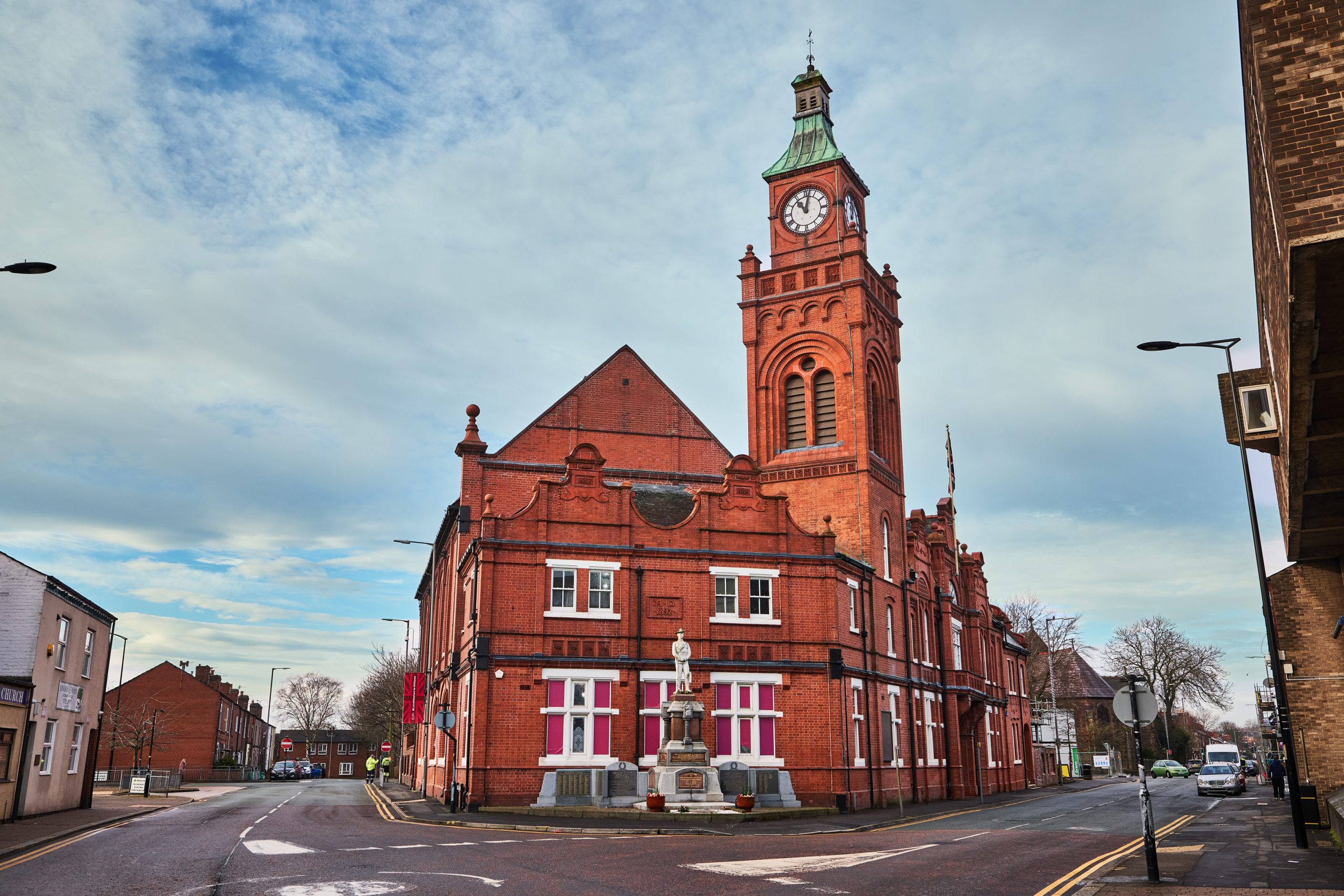
Designed by local architect Thomas Beesley following a public competition and constructed between 1892 and 1893 at a cost of £10,200, the building is a fine example of eclectic Queen Anne style with Flemish influences. Our work has also uncovered features hidden over time, including the building’s original central staircase.
ECF, our partnership with Homes England, L&G and Muse, works with local authorities to deliver place-led regeneration that puts communities at the heart of town centre renewal. Earlestown Town Hall is a prime example of that approach – restoring civic pride alongside creating new spaces for people to live, work and gather.
Senior Development Manager, Matt Whiteley said:
Lisa Harris, Executive Director of Place at St Helens Borough Council, added:
“We are not simply restoring a building – we are investing in the future of the town centre, creating a space where communities can gather and Earlestown’s proud history can be celebrated.”
Andy Balmer, Associate at Buttress Architects, said:
“This building holds many happy memories for the people of Earlestown. Our approach carefully balances preservation with the demands of a sustainable future – retaining as much of the original character as possible while ensuring the building is equipped to serve future generations.”
The project forms part of a long-term regeneration programme we are delivering alongside, backed by £20 million from the Government’s Levelling Up Fund and £8 million in match funding from the Council, with a further £1.1 million from the Public Sector Decarbonisation Scheme funding sustainable new heating and lighting systems.